Tools for Managing Everyday Stress
This guide offers practical tools for reducing stress, calming the nervous system, and building greater self-awareness. Each practice can be explored with intention, clarity, and curiosity. Some may feel familiar, while others may be new. Start with the practices that feel most supportive and realistic for your life right now.
I can attest to the value of all of these practices. Contact me for more information or assistance.
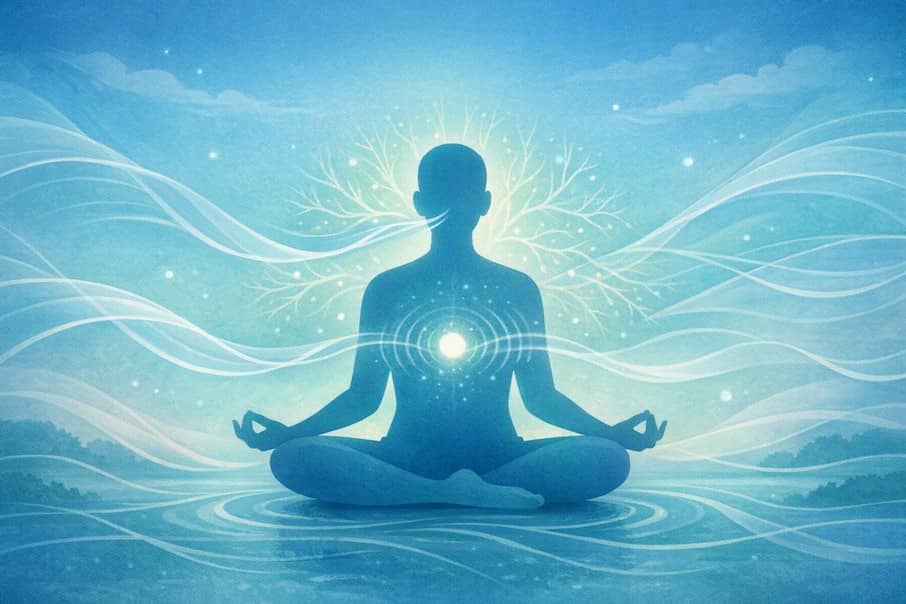
1. Meditation and Concentration. Meditation helps quiet the mind, increase awareness, and create space to better understand the source of stress. Focusing on the breath, a mantra, or a simple point of attention can help you access deeper insight and respond to life with more calm and clarity. Learn the technique of proper meditation here.
2. Pranayama or Breathwork. Pranayama is a yogic breathing practice that uses intentional breath patterns to influence energy, focus, and the nervous system. Breathwork can help release tension, calm the body, improve emotional regulation, and create a sense of inner steadiness. If you are new to breathwork, begin gently or request guidance on specific techniques.
3. Daily Five-Minute Gratitude Challenge. Take five minutes each day to name or write down what you are grateful for. Gratitude helps shift attention away from stress and toward support, meaning, and possibility. Over time, this simple habit can encourage relaxation, improve mood, and support a more positive outlook.
4. Healing Sounds. Sound can be calming when it resonates with the body and mind. Music, chanting, singing bowls, humming, or nature sounds may help quiet mental noise, settle the nervous system, and create a feeling of balance.
5. Daily Journal Writing. Slow, reflective writing helps the mind organize thoughts and create clarity. Journaling about specific stressors can open a creative dialogue with the unconscious mind and reveal new choices, patterns, or possibilities.
6. Lymphatic Massage. Lymphatic massage is a gentle form of massage that supports the movement of lymph fluid, which helps the body clear waste and maintain immune function. This practice may support detoxification, reduce feelings of heaviness or stagnation, and encourage relaxation.

7. Yoga Therapy. Yoga therapy supports the body, mind, and spirit through intentional movement, breath, and relaxation. A short daily routine with a few poses for the upper, middle, and lower body can build strength, improve flexibility, reduce tension, and help the body feel safe and grounded.
8. Tai Chi. Tai Chi is a slow, flowing movement practice that combines balance, breath, and focused attention. It is especially helpful for busy minds because it encourages relaxation while developing body awareness, energy sensitivity, and a calmer relationship with movement.

9. Food Can Heal. Developing a positive relationship with food can support digestion, energy, mood, and overall vitality. Choosing nourishing foods with awareness helps the body feel supported and can make it easier to stay active, balanced, and clear-minded.
10. Fasting Once Per Week. A gentle 14- to 18-hour fast once per week gives the digestive system a rest and help you become more aware of hunger, energy, and eating patterns. Fasting is not appropriate for everyone, so consult a qualified health professional if you have medical conditions, take medications, are pregnant, or have a history of disordered eating.
11. Hydration. Water is vital for every organ, especially the brain. Hydration can affect focus, energy, digestion, and mood. Your needs may vary based on activity level, stress, climate, medications, and overall health, so pay attention to your body and choose good-quality water whenever possible.
12. Bach Flower Remedies. are flower essences used to support emotional balance during states such as fear, worry, judgment, hopelessness, or overwhelm. Rescue Remedy, a commonly available five-flower blend, is often used for everyday anxiety. For details, contact Jodyinnerway.com.
“You can’t stop the waves, but you can learn to surf.”– Jon Kabat-Zinn
13. Vagal Tone Therapy. Vagal tone refers to how well the vagus nerve helps regulate the body’s relaxation, digestion, heart rate, and stress response. Simple practices such as humming, slow breathing, singing, or gentle chanting may stimulate the vagus nerve and help the body shift toward calm and recovery over time.
14. EFT, or Emotional Freedom Technique, also known as Tapping. Tapping is a practice that combines gentle fingertip tapping on specific meridian points with focused phrases about a stressful thought, craving, fear, or emotion. It may help calm the stress response and bring more awareness to the emotional charge behind a concern. For best results, learn the tapping points and phrase structure from a qualified guide.
15. Grounding with the Earth’s Vibrations. Grounding means making direct contact with the earth, such as walking barefoot on grass, soil, or sand. Spending time with trees, flowers, water, and natural surroundings can help the body feel steady, supported, and connected. Try taking off your shoes and standing or walking outside for 20 to 30 minutes when it is safe and comfortable.
Raise Your Energy Vibration. Begin by becoming more aware of your thoughts, emotions, habits, and surroundings. Awareness is often the first step toward change because it allows you to choose what supports your energy and what depletes it.
Consider the Five-Minute Energy Routine by Donna Eden, which uses simple movements and acupressure points to support the energy field and nervous system. These practices are simple, cumulative, and most effective when done consistently. www.LearnEnergyMedicine.com
Evaluate Your Circle of Friends. Notice how certain people, situations, and environments affect your energy. Some relationships bring encouragement and clarity, while others may feel draining or teach difficult lessons. Taking time for honest introspection can help you choose relationships and commitments that support your growth.
Express Your Overt and Hidden Talents. Your natural gifts are a source of energy, purpose, and joy. Whether your talent is singing, teaching, healing, creating, listening, or encouraging others, giving it healthy expression can bring a deeper sense of meaning and inner contentment.
“Smile, breathe and go slowly.” Thich Nhat Hanh
Final Summary: Choosing Where to Begin.
The best place to start is usually the practice that feels simple enough to do consistently. If your mind is busy, begin with meditation, breathwork, journaling, Tai Chi, or healing sounds. If your body feels tense or depleted, try yoga therapy, hydration, grounding, lymphatic massage, or gentle nutrition changes. If emotions feel strong or repetitive, explore gratitude, Bach Flower Remedies, vagal tone practices, tapping, or evaluating your circle of support.
To implement these tools, choose one or two practices and commit to them for two weeks. Keep the routine short: five minutes of gratitude, three calming breaths, one journal page, one walk barefoot outside, or one simple yoga pose is enough to begin. Notice how you feel before and after each practice, then adjust based on what brings more calm, clarity, energy, and balance into your life.
Each of the above practices has more detail that could be provided so stay tuned for more on each topic.